What Is an AI Double, and How Is It Different From a Chatbot?
A chatbot answers on behalf of a product. A Double represents a person, in their voice and their knowledge. Here are the six layers behind it.
 Sahith Krishna4 min read
For a long time the most common way to have a conversation without a human on the other side has been a chatbot. The model is simple. Someone asks a question and the system answers it, usually from a company's documentation or a set of predefined flows. That works, and there is nothing wrong with it.
The gap we kept noticing was people. Founders, managers, consultants, creators, and everyone else who carries knowledge that other people need. Almost none of them have anything like this, and in the rare cases where they do, it ends up as a plain question and answer box that feels one way. You can type into it, but you are not really talking to anyone. That is the gap we built The Double to close, by making individuals available rather than putting another product in front of them.
What an AI Double actually is
An AI Double is an activated digital version of a person, and sometimes of a team. It lets someone be present when they are not available. People can have a real conversation with it, and it answers in that person's own voice rather than a generic one, because when someone calls a founder's Double they should hear the founder, along with the way that founder thinks, replies, and carries a conversation.
In that sense a Double is closer to the next generation of the chatbot than its opposite. The interface is familiar, and that is deliberate. What changes is everything behind it. A person's knowledge is usually scattered across social posts, documents, PDFs, notes, and pages they wrote years ago, and a Double can be connected to all of it, so the answers are precise rather than approximate.
The six layers behind a Double
Making that work takes more than one model with a good prompt. Every Double is built on six layers.
Knowledge
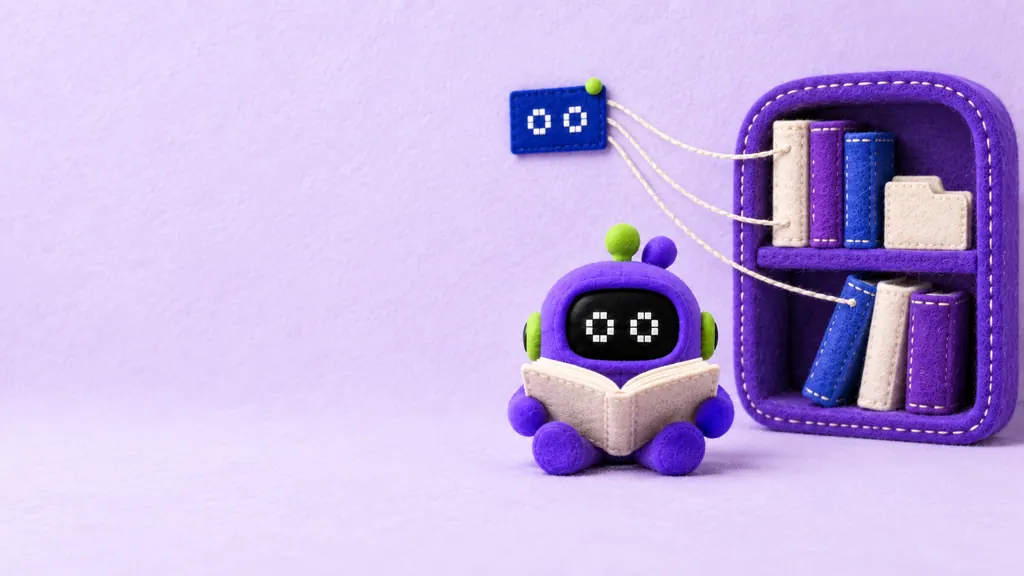
Knowledge is the most important thing a Double delivers, and the problem is that it never lives in one place. It is spread across documents, websites, videos, content, personal blogs, meeting notes, and a dozen other places. The Double brings that material together so it can answer from all of it at once. Owners can also add custom text, upload PDFs, transcriptions, documents, and social posts, which keeps the Double current with what they are sharing and how they are thinking now.
Intelligence
Knowledge alone is not enough. If someone asks a question and the system hands back a random piece of information, the answer is useless even when the information is correct. This is why a Double runs on an intent engine that works out what the person is actually asking, retrieves the right context, and shapes an accurate response around it. The knowledge is wrapped in intelligence, and the intelligence is what makes it land.
Identity and behaviour
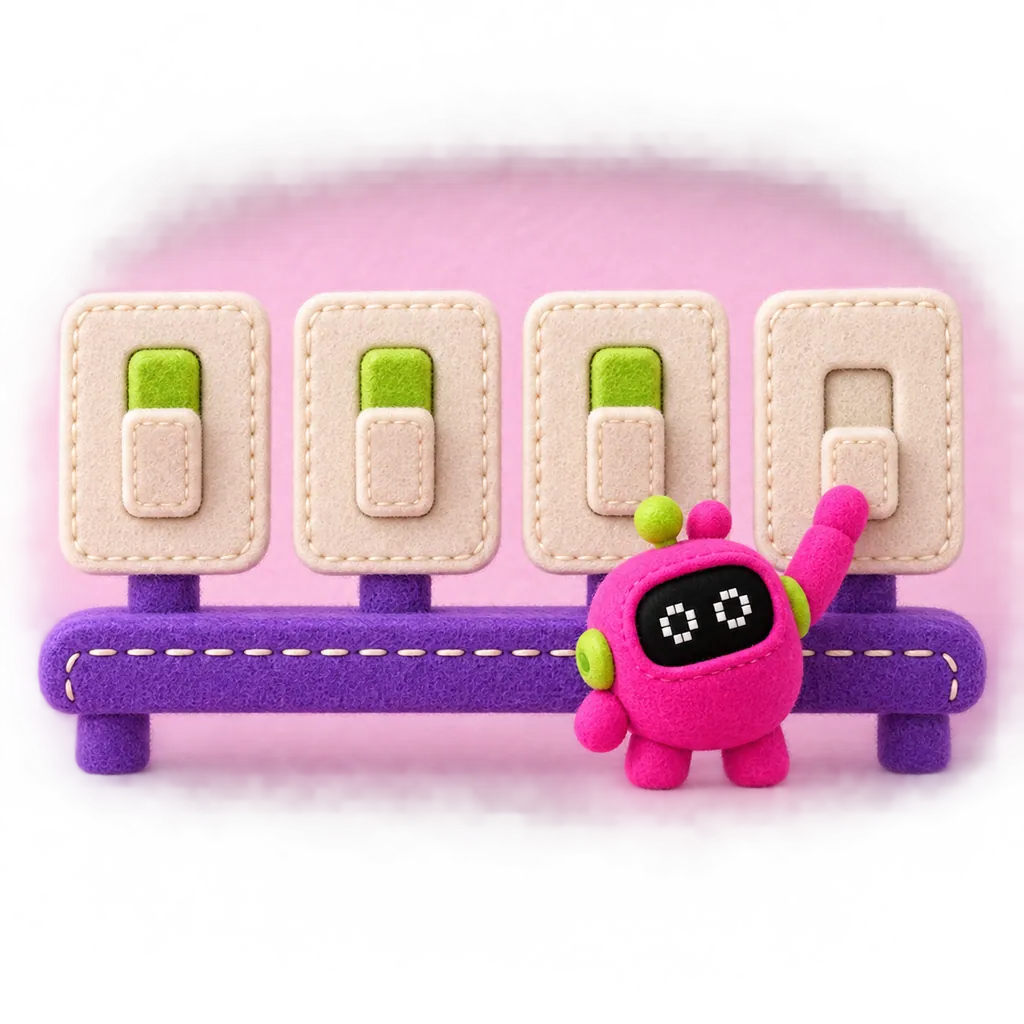
Every Double on The Double has its own persona and behaviour. This defines how it should respond, what it can talk about, what it should stay away from, how it thinks through an answer, and the custom rules it follows. That works as a guardrail in itself, and there are system level guardrails underneath it as well, so a Double does not say something it should never have said.
Skills and actions
This is where a Double becomes genuinely interesting, because it can do much more than answer questions. Skills are the building blocks of what it can do. It can share a PDF, show an Instagram post, give a demo, book a meeting, ask interview questions, update a CRM, keep a log of data, and more. Skills can also be chained into workflows, including HTTP requests, with controls over each step, so a conversation can carry someone all the way to the next action instead of stopping at an answer.
Voice and conversation
This is what separates us from almost every other AI company. A person can clone their own voice so their Double speaks in it, with expression and emotion enabled rather than a flat read. It takes a short audio sample and a few minutes of training. Conversations can happen however the visitor prefers, whether that is typing a message or having a proper voice call.
Channels, control, and safety
A Double should be reachable wherever it is needed, so each one gets a page of its own that can be shared as a link, placed on a website, used as a website chatbot, or embedded into a page. Alongside that we put real weight on privacy, guardrails, control, and human oversight, and every Double carries system level guardrails so it always knows what it is allowed to say.
Why this is not just a chatbot
A chatbot is almost always embedded in the corner of a website, and it belongs to the product it sits on. A Double has a page of its own. It can still be embedded like a chatbot, because that is genuinely useful, but it does not need a website in order to exist.
Picture a founder with their own Double. Their audience can open the link, ask the things they actually want to know, and get answers in that founder's voice, at a moment when the founder is busy doing something else. A chatbot answers on behalf of a product. A Double represents a person, and that is a different thing entirely.
Founder & CEO